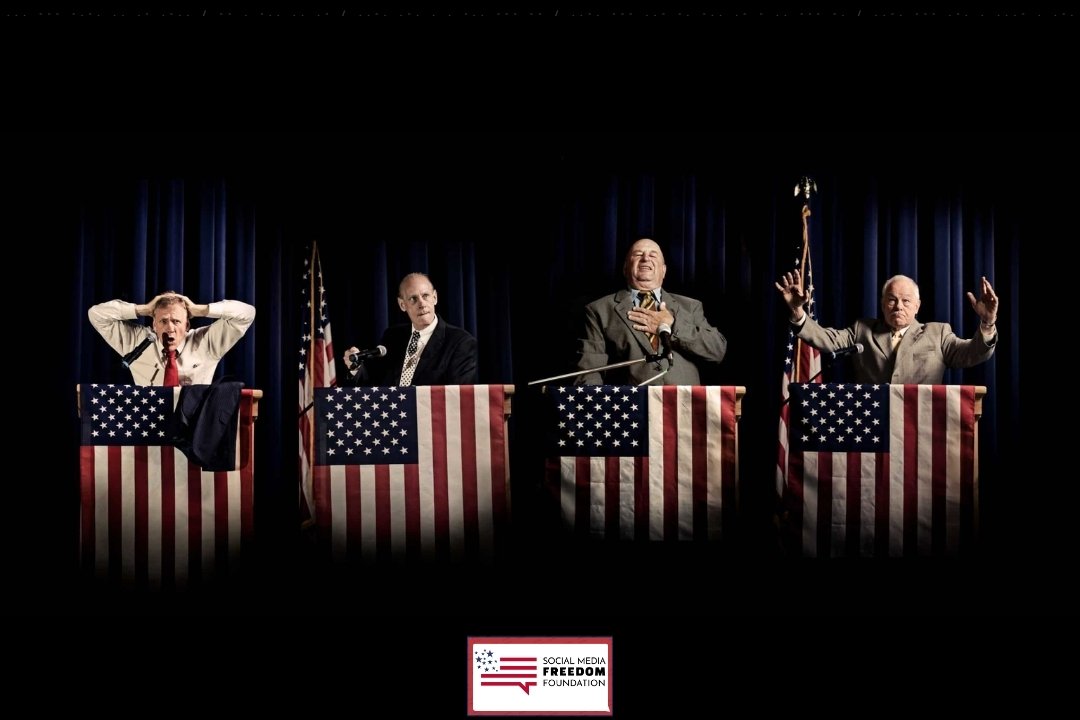

The hay day Big Tech has enjoyed censoring speech and canceling dissidents if coming to an end, in no short part due to the efforts of Jason Fyk. Jason is one of the pre-eminent authorities on all things Section 230.
Watch the Full Video Here: https://rumble.com/embed/v1wmnag/?pub=4
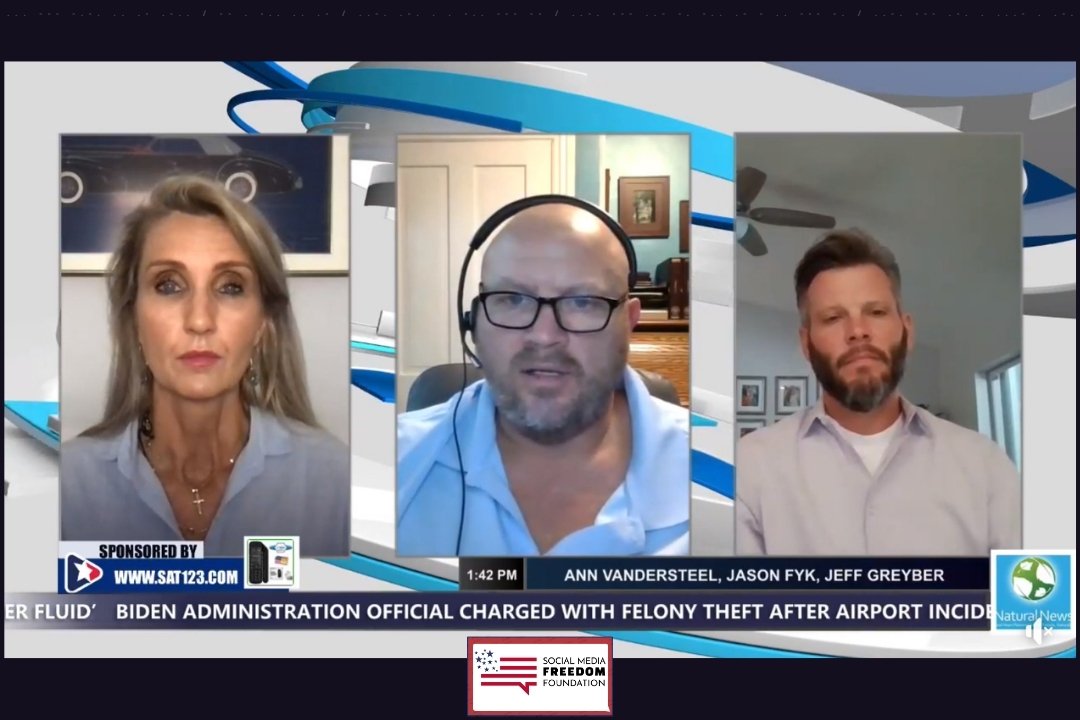


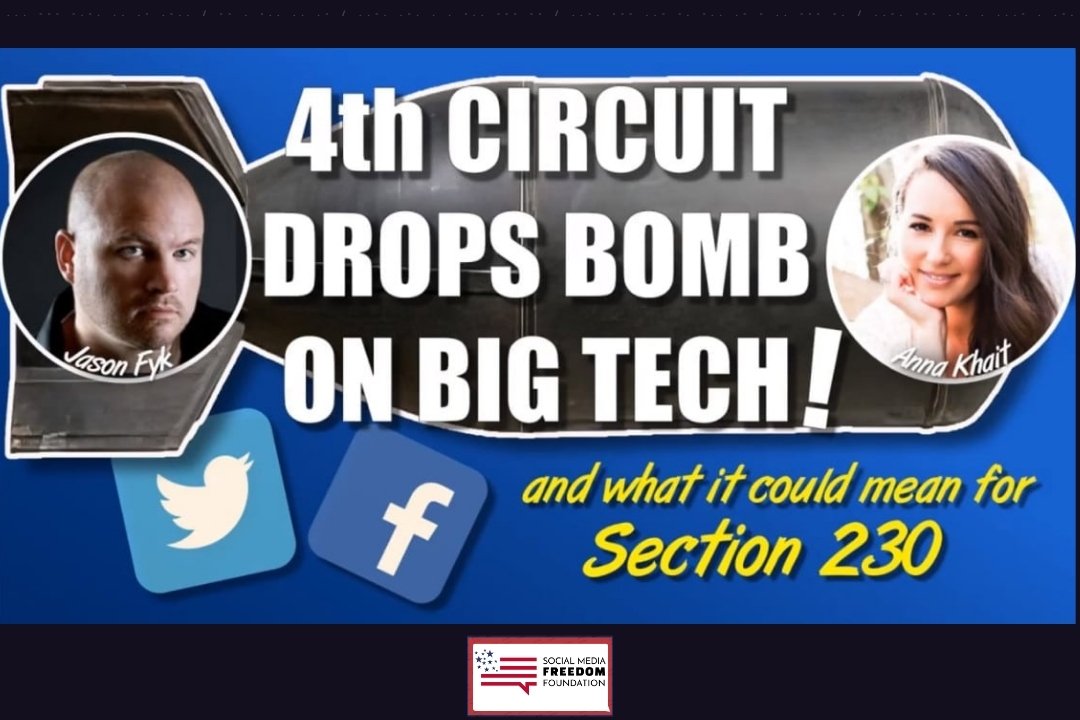


The article discusses a recent decision by the Fourth Circuit Court of Appeals regarding Section 230 of the Communications Decency Act. This court ruled that Section 230(c)(1) does not provide blanket immunity to online platforms, especially when they engage in active content moderation that crosses into unlawful conduct. The decision contrasts with earlier interpretations by the Ninth Circuit, creating a legal conflict that could lead to Supreme Court review. This ruling challenges Big Tech’s current legal protections for content moderation activities.
For more details, view the full article here.


The article by Jason Fyk discusses the complexities of Section 230, focusing on the legal distinctions between a “platform” and a “publisher.” Fyk argues that current interpretations often misapply Section 230 protections, especially regarding content moderation. He emphasizes that platforms should not be entirely shielded if they actively moderate content in ways that resemble publishing. Fyk advocates for clarifying the statute to prevent misuse, especially in cases like his lawsuit against Facebook, where he claims the courts incorrectly applied Section 230.
For more, view the full article here.